
[K-POP IN THE US] TITAN CONTENT
TITAN has officially made its mark on the K-pop landscape.
![[K-POP IN THE US] TITAN CONTENT](https://storage.ghost.io/c/67/09/6709042d-2205-4767-a696-3f8cc136dbea/content/images/size/w1200/2025/12/at-1.jpg)
Back in 2023, a new and ambitious challenge emerged in the U.S. music scene. TITAN CONTENTS (“TITAN”) was established through the collaborative vision of four industry leaders—Semin Han, Jeong-ah Kang, Gyeom Lee, and Lia Kim. The company’s founding marked a pivotal moment, occurring just before K-pop became fully established as a dominant force in the global mainstream market.
Driving TITAN’s creative vision are veteran producers Dom Rodriguez Chief Business Officer, and Victor Portillo SVP. After leading the charge for SM Entertainment USA and mastering the K-pop 'success formula' in the States, the duo is now dreaming of a new era of innovation that moves beyond existing borders.
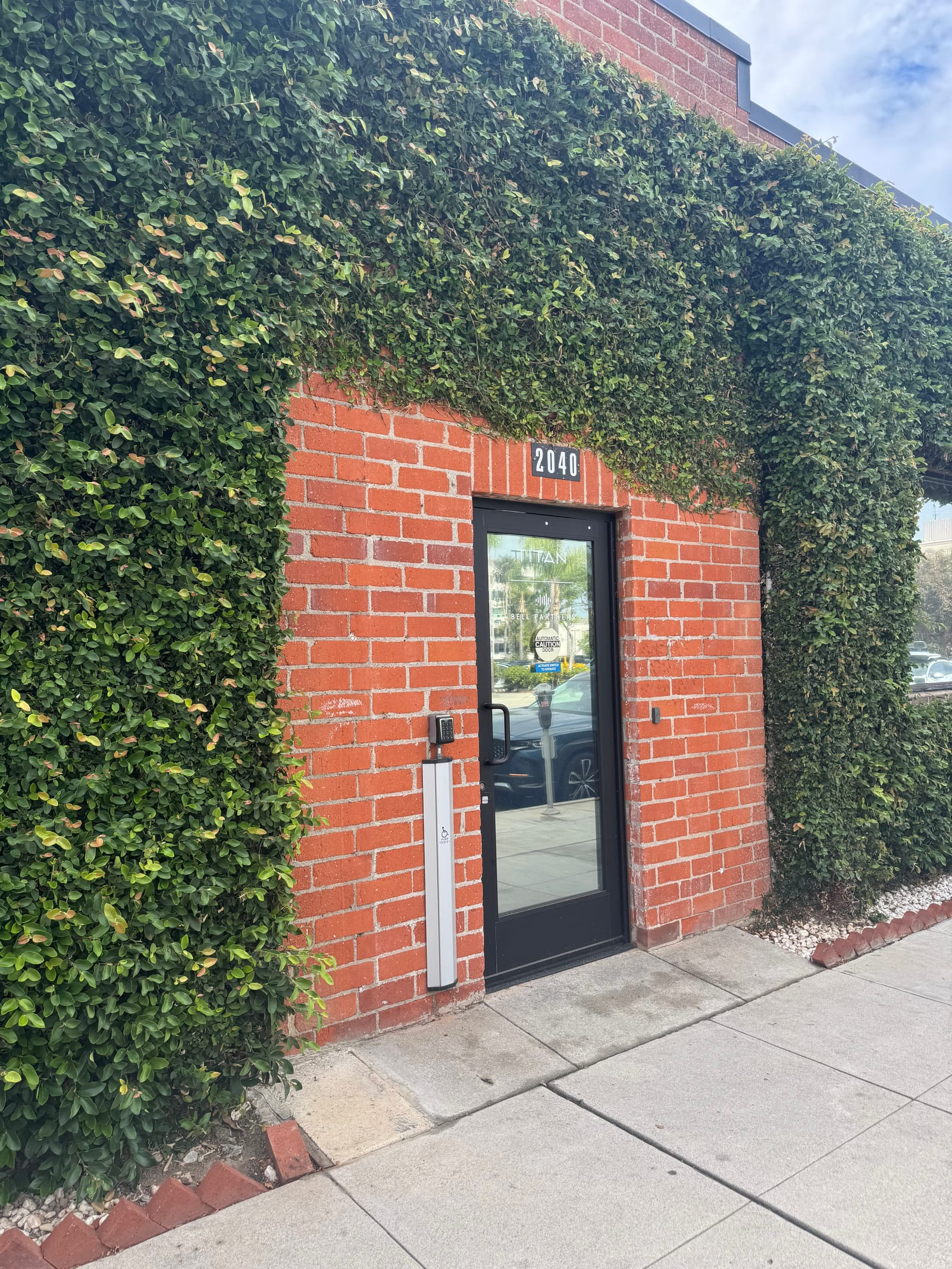
With the launch of their girl group AtHeart in August 2025, TITAN has officially made its mark on the K-pop landscape. To hear the story behind their journey, I headed to TITAN’s headquarters in Santa Monica, California, to speak with the minds behind the mission.
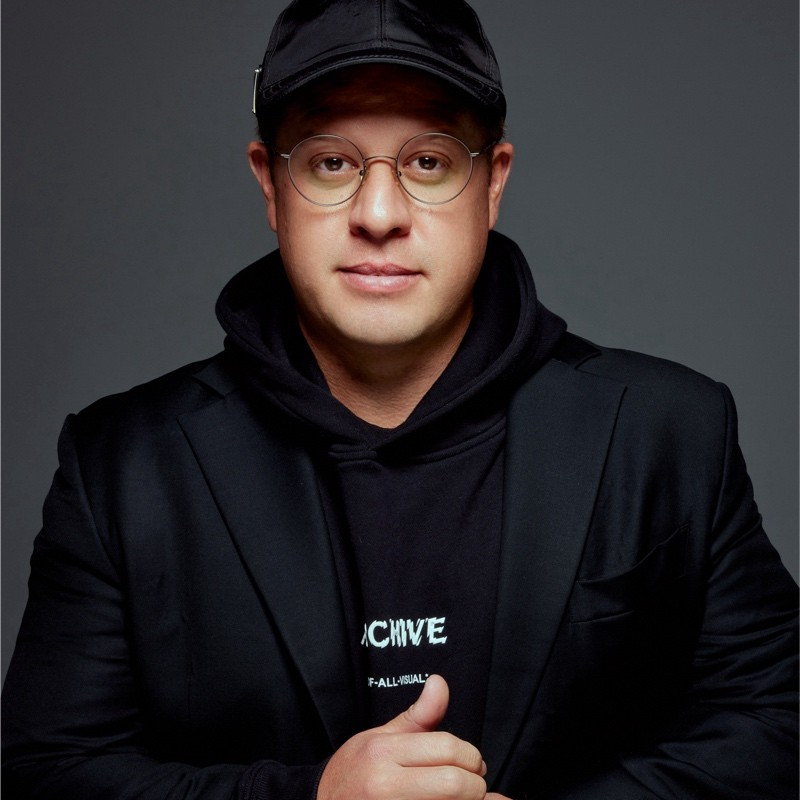
Q: Both of you have extensive careers in the U.S. music industry. What was your first encounter with K-pop, and what path led you to found TITAN?
Dom: I started as a self-taught producer in my teens and eventually moved to LA, where I worked with icons like Lady Gaga and Destiny’s Child. My journey with K-pop began unexpectedly in 2010 while collaborating with the legendary producer Teddy Riley. Back then, "K-pop" wasn't even a household term, but while working on a track for a K-pop group, I was stunned by the explosive digital consumption on YouTube. Seeing views skyrocket from millions to tens of millions overnight made me realize that this was more than just music—it was a massive cultural phenomenon.
Driven by curiosity, I traveled to Korea, which led to a partnership with SM Entertainment. After producing Girls’ Generation’s "The Boys," I saw the immense potential for K-pop’s global expansion. I was fascinated by the K-pop system—how music, performance, visuals, and fandom integrate organically. I lived in Seoul for six and a half years to learn the essence of that system. Upon returning to the U.S. in 2016, I led the establishment and growth of SM Entertainment USA. At first, local industry insiders wouldn’t even pick up our calls, but eventually, the tables turned, and they were the ones calling us.
Vic: I was born in San Francisco and raised in LA, starting my musical path as a DJ. I grew up immersed in hip-hop and skateboard culture. Later, I spent 12 years at Warner Music, collaborating with numerous songwriters, primarily in the R&B and hip-hop genres.
My introduction to K-pop came when a songwriter I signed co-wrote EXO’s "Growl." At a time when I felt the U.S. pop market was somewhat stagnant, EXO’s performance and music video were incredibly fresh and impactful. The combination of intricate choreography, cinematic visuals, and addictive melodies was something rarely seen in the U.S. market at the time. I visited Seoul to see the potential for myself, and seeing the passionate fans waiting outside the SM building, I knew I was looking at a completely different world. I was deeply impressed by the bond and devotion between artists and fans. Since then, I’ve traveled back and forth to Korea with various songwriters to work on tracks for SHINee, f(x), Red Velvet, and many others, deepening my understanding of K-pop’s unique production system.
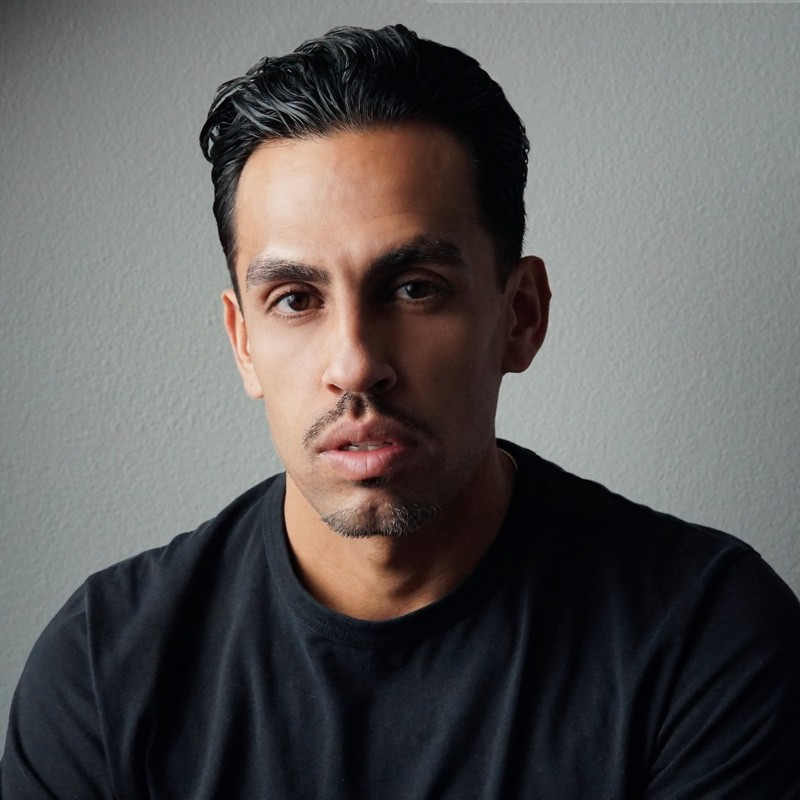
Q: After successful careers at SM Entertainment USA, what motivated you to start a new company, and what is the core vision of TITAN?
Dom: My seven and a half years at SM were an incredible journey of introducing the K-pop brand to the U.S. market. However, at the peak of my career, I started questioning what I could do for the next generation of K-pop. How could we innovate? How could we disrupt the market?
That’s when I reconnected with CEO Sae-min Han, whom I knew from my SM days. His vision aligned perfectly with mine: to create the first K-pop entertainment conglomerate headquartered in the United States. Instead of the traditional model where content is made in Korea and exported to the U.S., we are starting at the heart of the U.S. market to reach the world. This allows for seamless collaboration with local media and partners and lets us reflect market trends in real-time. Hearing the vision for an "All-Star" team of experts in casting, training, performance, and visuals, I was certain that my experience bridging East and West would be the final piece of the puzzle.
Vic: While I was satisfied with my role at SM USA, TITAN’s vision was an irresistible challenge. What moved me most was the "Knights of the Round Table" concept—a collective creation system.
Rather than a traditional, top-down approach led by a single producer, I was drawn to a horizontal structure where experts from every field share ideas and build a collective vision. This wasn't just about making music; it was an opportunity to be deeply involved in the entire "making" process—from storyboarding an artist’s lore to visual concepts and marketing strategies. Leaving the family-like team we built at SM was difficult, but the excitement of writing the next chapter of K-pop, rather than just following it, was far greater.
The Philosophy: Collective Creativity and Authenticity
Q: TITAN emphasizes a "collective creation system of experts." How does this differ from the producer-centric systems of existing K-pop labels?
Dom: While a single genius vision can provide strong momentum, the entire system can falter if that person is absent. We believe that through healthy debate and even fierce disagreement, we can reduce risks and create a more robust result. At TITAN, we never move to the next stage unless we all agree that something is "Great." We always remember that "Good is the enemy of Great." The moment you settle for "good enough," innovation stops.
Furthermore, we aim to foster a horizontal leadership culture where a 21-year-old employee can pitch a better idea than a 59-year-old executive. When everyone feels free to speak up regardless of rank, you find the keys to success in unexpected places—much like Lizzo’s flute playing.
Q: In a saturated K-pop market, what is TITAN’s philosophy for developing artists?
Vic: The most important thing is Authenticity. Today’s youth can instantly sniff out a manufactured image. Therefore, our priority is ensuring artists don’t lose their inherent identity and story.
While many songwriters try to follow a "K-pop formula"—specific chord progressions or structures—we don’t give them any formula. We simply ask, "Is it great?" Our artists are also active participants from the early stages of production, voicing what they want, the messages they want to convey, and who they want to be. To feel real, the process itself must be real. Our role is to help our artist, AtHeart, find their own voice during training so they can cut through the noise with that authenticity.
Q: Interestingly, many fans are now calling to "Bring Back Bridges," expressing fatigue with short, TikTok-optimized tracks and overly experimental structures. There is a growing sentiment that K-pop should "stay K-pop." How do you balance TITAN's pursuit of innovation with these fan demands?
Vic: I think it’s human nature to miss the good things from the past, just as hip-hop fans miss the 90s sound. K-pop has been influenced by Western music from the beginning—you could hear Cypress Hill in H.O.T.’s music. The key isn't simply repeating old formulas, but evolving while maintaining the essence.
Dom: Music works in cycles. What was once trendy often returns with a twist. We don’t tell our composers to follow a K-pop formula; we encourage them to break it. If everyone is painting on one wall, we need to find the empty wall. We pursue "Greatness" itself, not the replication of a specific formula. One idea to satisfy fan demands is providing different versions: a longer version with a dance break for the music video and fans, and a shorter radio edit for passive listeners. Regardless of the language or length, the "authenticity" of the song's message and emotion must remain intact.
Q: Some still view K-pop as a passing fad. As leaders who have driven its growth in the U.S., how do you see its future?
Dom: I answer that with a definitive "Absolutely not." People try to define K-pop as a specific genre like EDM, but that misses the point. A single K-pop album can seamlessly blend ballads, R&B, hip-hop, pop, and rock under one narrative. K-pop is not just a genre; it is music produced in unprecedented ways and expressed through world-class visuals and performance. It offers a "total experience"—seeing and participating, not just listening. That is why K-pop artists can sell out arenas and stadiums. K-pop is now firmly rooted in the market and will grow even larger through the next generation. Our mission is to build that next level.
Q: TITAN's first artist, AtHeart, debuted successfully in August. What kind of impact do you want to make through them?
Dom: Our goal isn't just the success of one company. We believe that when we create a bigger pie, all the ships in the K-pop genre will rise with the tide. We segment the U.S. K-pop fandom into core fans, passive fans, and potential fans who haven't experienced K-pop yet. Our disruptive marketing targets each layer differently—deep lore for core fans, collaborations for passive fans, and accessible media like TikTok for potential fans. TITAN will be a pioneer climbing new mountains for those who come after us. To stop growing is to stop living. We will continue to challenge, learn, and push boundaries.
Q: AtHeart visited your LA headquarters in October. How do you evaluate their activities since their debut?
Dom: They successfully handled a massive U.S. promotion schedule across LA and New York. In LA, we held a fan event in Santa Monica with interactive zones and special live performances. After wrapping up media interviews in LA, they moved to New York for more press and large-scale fan events. Their ability to draw such dynamic fan engagement as a rookie group is impressive. They’ve exceeded our expectations.
Q: Your first U.S. audition was held in November at your Santa Monica HQ. How was the turnout and atmosphere?
Dom: It was a great success. What stood out most was the incredible diversity. Participants came from various cultures, backgrounds, and races, all united by a passion to join TITAN. Hosting it at our world-class creative facility in Santa Monica allowed us to create a professional yet welcoming atmosphere. Applicants felt the energy of TITAN the moment they stepped in. The vibe was electric and full of inspiration.
Q: Do you feel the K-pop trend in the U.S. has strengthened since your last interview in September?
Dom: Definitely. Any doubts about K-pop's longevity have vanished over the last few months. Most exciting is the emergence of a younger fan base. While the 13–24 demographic has historically been the strongest, we’re now seeing children aged 6–12 discovering K-pop through digital platforms. These young listeners represent the next generation of long-term fans, proving the genre’s cultural sustainability.
Q: With K-pop tracks like "Golden" and "Gabriela" making waves, how will TITAN build its unique identity?
Dom: Our vision is focused on producing exceptional music and nurturing world-class artists through a global team operating between LA and Seoul. Our fan-centric philosophy is at the heart of everything. By maintaining the highest standards in music, visuals, performance, and storytelling, we will naturally establish a peerless identity in the global market. We will continue to push creative boundaries, elevate the genre, and contribute to its global expansion.
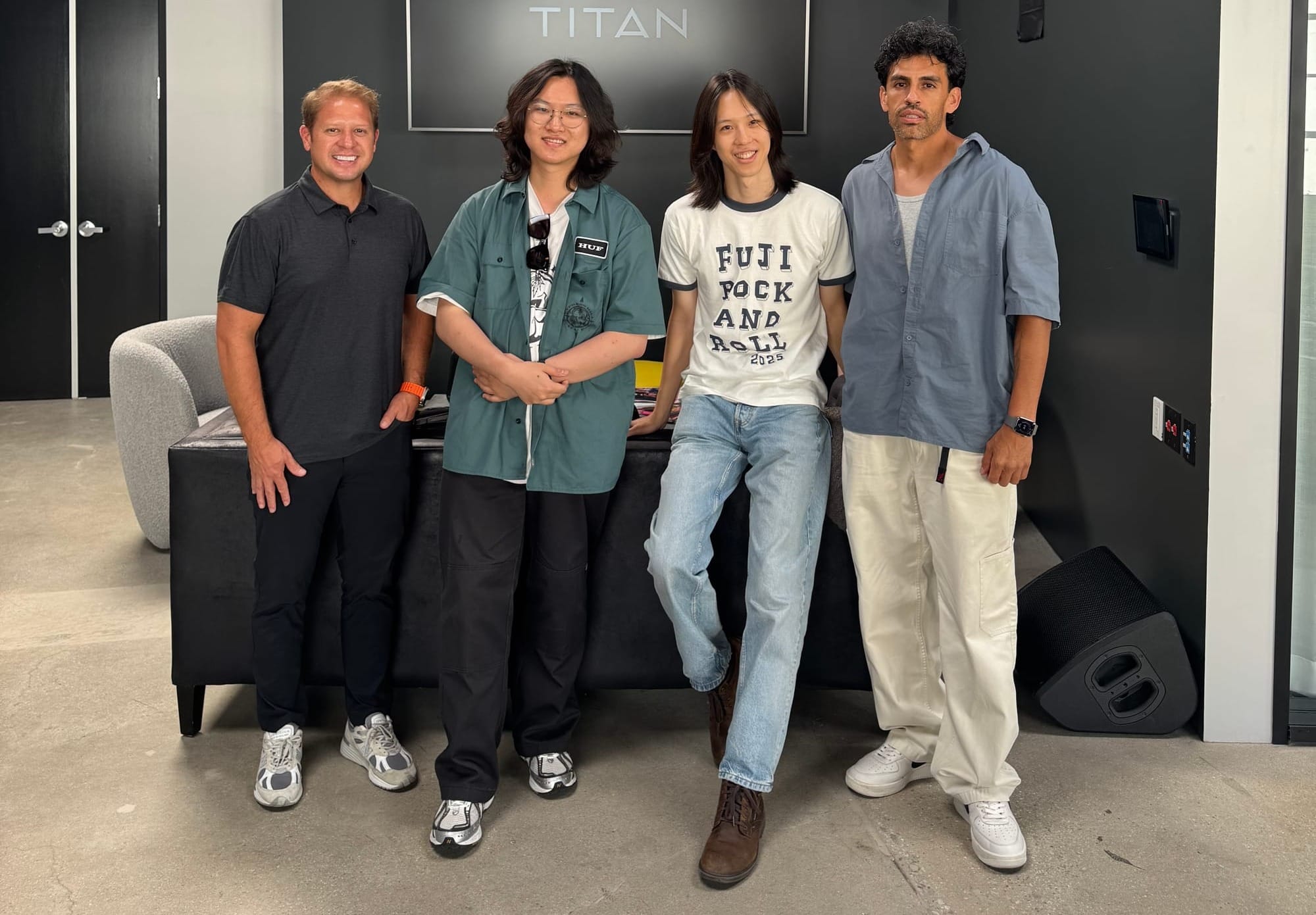
 Kim Do Heon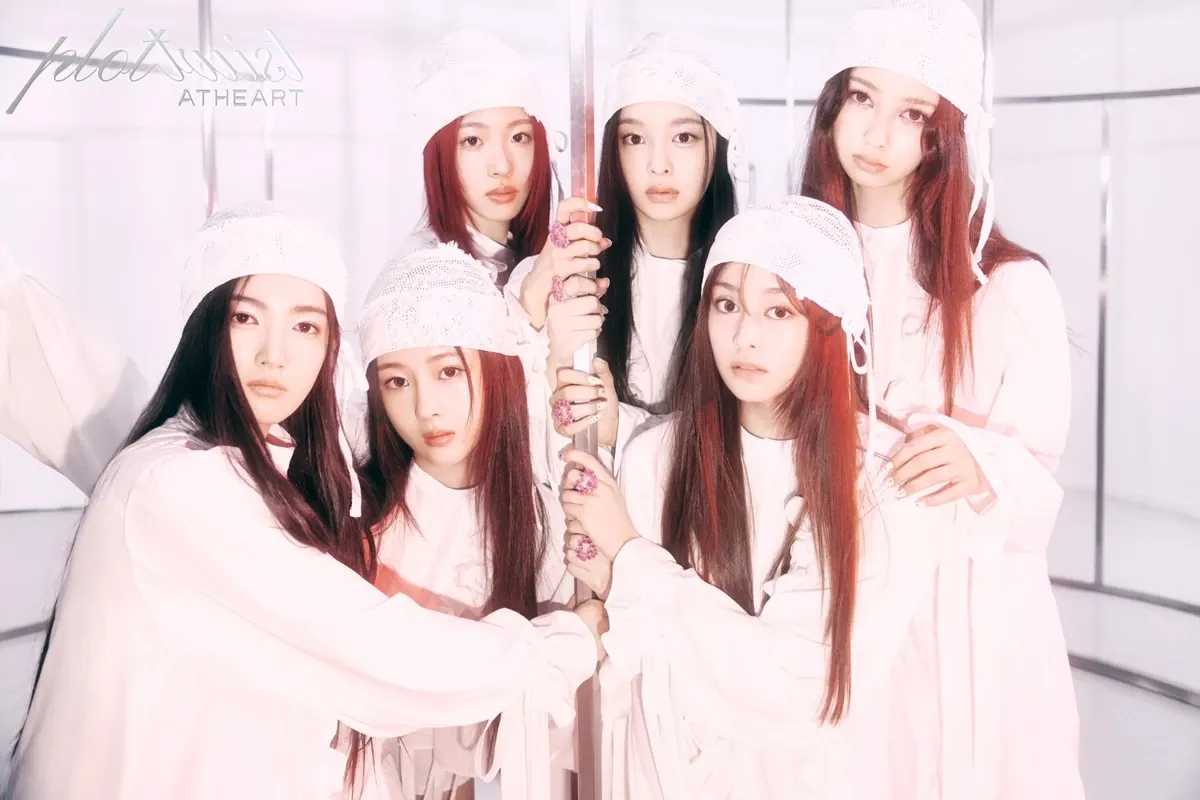
![BTS [ARIRANG] : Not a Comeback Album — A Distress Signal](https://storage.ghost.io/c/67/09/6709042d-2205-4767-a696-3f8cc136dbea/content/images/size/w720/2026/03/IMG_0572.png)
![방탄소년단(BTS) [ARIRANG] (2026)](https://storage.ghost.io/c/67/09/6709042d-2205-4767-a696-3f8cc136dbea/content/images/size/w720/2026/03/download.jpeg)
![[미국에서 만드는 K팝] 타이탄콘텐츠(TITAN CONTENTS)](https://storage.ghost.io/c/67/09/6709042d-2205-4767-a696-3f8cc136dbea/content/images/size/w720/2025/12/AtHeart_Plot_Twist_group_concept_photo_2.webp)
Comments ()